
Skin quality has emerged as an increasingly important aspect of skin health and aesthetic care, with 9 out of 10 people experiencing concerns.1 But what does skin quality look like in practice, why is it gaining traction now and how can healthcare professionals ensure they best address patient and consumer concerns?
What is skin quality, and why is interest in it growing?
Skin quality refers to how our skin looks, feels and functions on a day-to-day basis. It encompasses factors such as hydration, elasticity, smoothness, radiance, firmness and tone.2
In recent years, patient expectations around skin quality have evolved. People are looking beyond wrinkles or volume loss, and focusing instead on skin that looks healthy, radiant and refreshed. They are looking for treatments that support skin health to enhance natural appearance, rather than focusing solely on anti-aging solutions.
Many complex factors influence skin quality
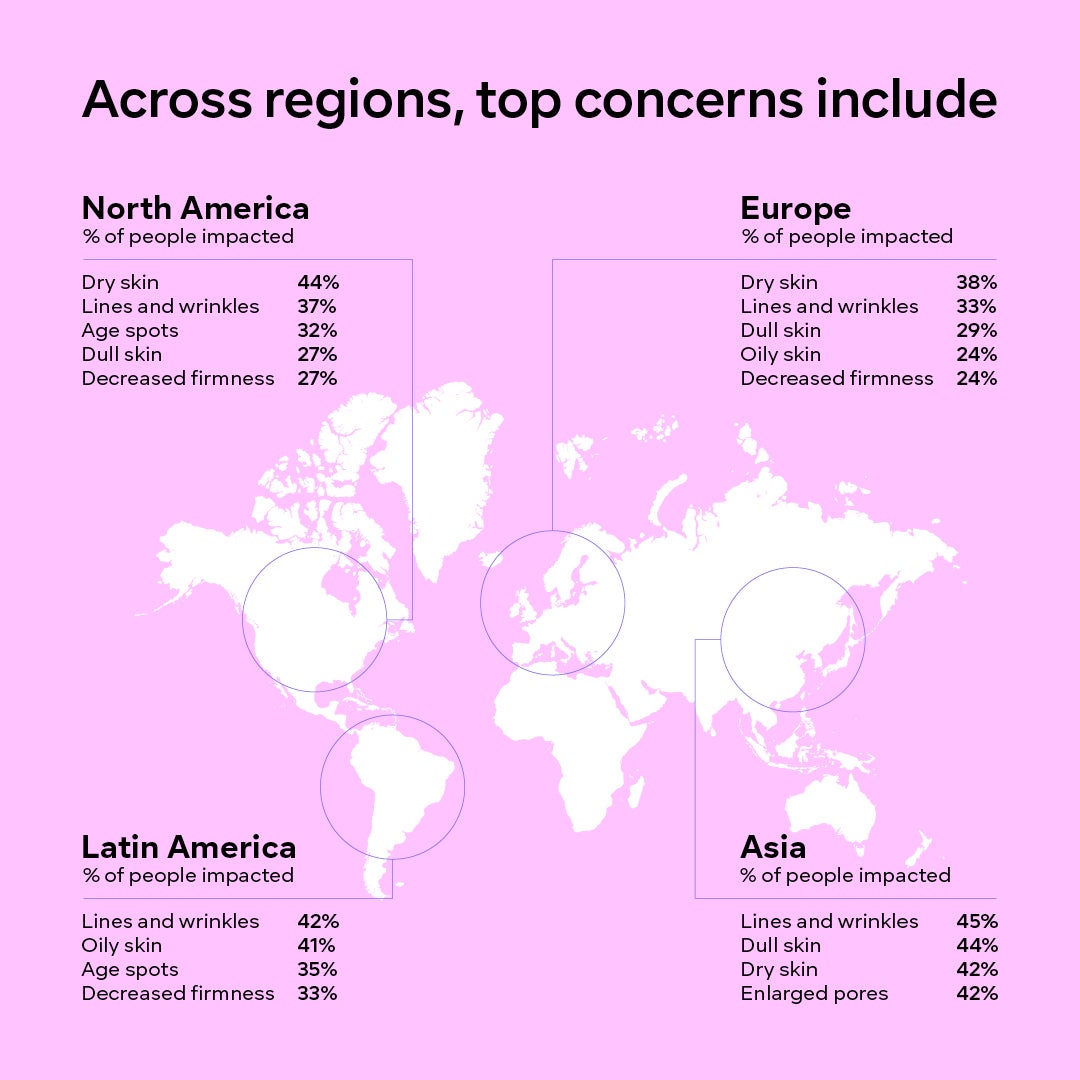
Concerns regarding skin quality are widespread, affecting quality of life for 85% of people.3 A landmark global survey conducted by Galderma experts—involving more than 11,000 participants across four continents—found that fine lines and wrinkles (41%), dry skin (40%) and dull skin (37%) were the most common skin issues reported by patients.4 More than one in three respondents also reported feelings of self-consciousness, insecurity or anxiety linked to their skin, highlighting the broader impact that skin quality can have on personal well-being.5 While skin quality issues mainly affect the face, they also can affect the neck, hands and other parts of the body.
Despite the prevalence of these concerns, the factors influencing skin quality are highly individual. The local environment, sleep quality and sun exposure can all shape how skin appears over time.6 Internal influences like age, medical conditions, genetic factors and internal biological processes can also affect skin quality. Acne scarring, for instance, can create persistent textural changes and uneven skin tone, while hormonal changes experienced during menopause may contribute to increased dryness and proneness to fine lines and wrinkles.
The rise in prescription weight-loss medication has also highlighted how rapid weight loss can influence skin health, including changes in radiance, hydration and firmness.7 As cosmetic dermatologist Dr. Sabrina Fabi explains: “If not planned for, [these medications] can bring unexpected changes to the skin that don’t always match what [patients] expect or hope to look like after losing weight.”8
A more holistic approach to skin quality
As the understanding of skin quality continues to evolve, so has the need for more holistic, personalized approaches to assess and address it. The Skin Quality Assessment Scale, developed with support by Galderma, provides healthcare practitioners with a structured framework to comprehensively assess skin quality. Once skin quality concerns and goals have been identified, healthcare practitioners can consider different approaches to tailor care to individual patient needs.
“Improving skin quality is like building a house. If you only focus on how it looks on the outside, the results won’t last – so you have to start with a strong foundation. When we assess skin quality, we look beneath the surface to understand what’s driving the issues. By strengthening that foundation, through a thoughtful combination of solutions, we can achieve longer lasting, and more holistic and personalized results.”
– Dr. Michael Somenek
Double board-certified facial plastic surgeon, U.S.
Galderma has developed science-backed solutions that can help enhance skin quality. Treatments like Sculptra work by stimulating collagen and elastin production in the skin, gradually replacing the structural support lost to aging. Solutions like Restylane® Skinboosters™ help enhance several skin quality parameters such as hydration, smoothness, firmness and overall radiance, with Sculptra also showing enhancements in these last two parameters.
Skincare also plays an important role in supporting skin quality. Patients undergoing aesthetic and surgical procedures can use products like Alastin® to support the skin regeneration process. For those with sensitive skin, building a routine with products like Cetaphil® helps to restore, protect and maintain their skin barrier and overall health, building longevity and resilience over time.
A personalized approach to skin quality
The skin is the body's largest organ, and it comes as no surprise that skin quality concerns can have a real impact on quality of life. Effective care begins with truly understanding each person’s unique skin journey. No two patients are the same, and everyone’s skin is impacted by a unique combination of internal and external factors. By better understanding patients’ skin quality needs and long-term goals in the context of their overall skin health, healthcare professionals can ultimately ensure better outcomes for each patient. This approach sits at the heart of Galderma’s purpose of advancing dermatology for every skin story.
Always consult a healthcare professional for individualized treatment recommendations and to discuss important safety information and risks associated with the use of the products.
Galderma. Data on file. Skin Quality Consumer Survey.
Martschin C, et al. Development and Validation of a Novel Holistic Skin Quality Assessment Scale. J Cosmet Dermatol. 2025;24(1):e16615. doi: 10.1111/jocd.16615
Galderma. Data on file. Skin Quality Consumer Survey.
Galderma. Data on file. Skin Quality Consumer Survey
Galderma. Data on file. Skin Quality Consumer Survey
Hussein RS, et al. Influences on Skin and Intrinsic Aging: Biological, Environmental, and Therapeutic Insights. J Cosmet Dermatol. 2024;24(2):e16688. doi: 10.1111/jocd.16688
P.15
P.15